Kinvara to Gort: Where Galway Meets Character
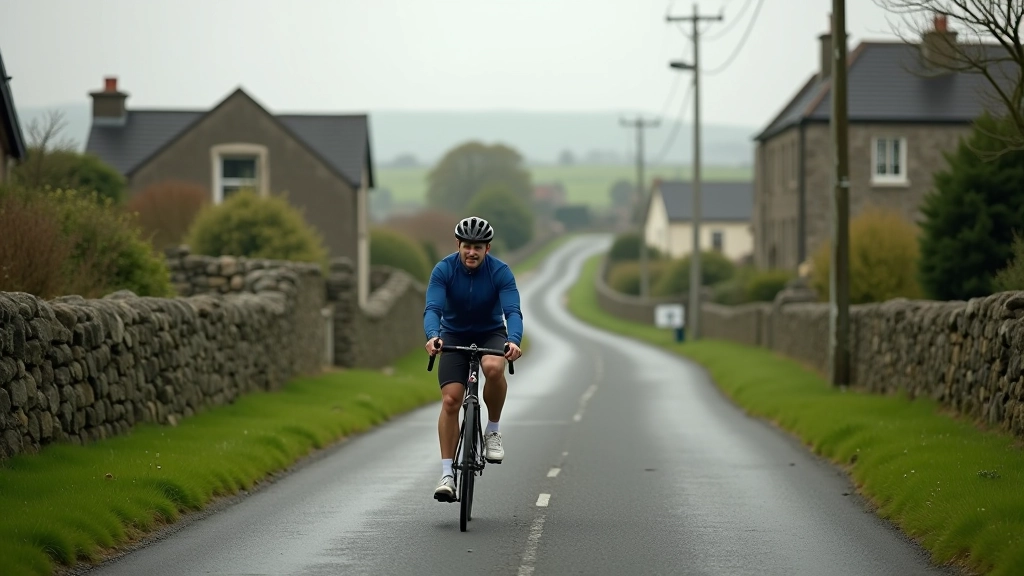
This 18-kilometer route connects two villages that embody different sides of Irish life. Kinvara's got a working harbor with traditional fishing boats — you'll see them if you time it right. The ride's mostly flat, following quiet lanes that wind between stone walls.
You'll pass through farmland with genuine rolling hills that don't punish you. The halfway point drops you in a small village where there's a grocery shop and a café. It's not fancy, but it's real. From there, the route continues to Gort, where you'll find decent restaurants and a proper town atmosphere.
Total distance: 18km. Difficulty: Easy. Surface: Mostly tarmac with 2km of gravel. Best for: Afternoon rides with a stop midway. The villages fill up on weekends, so weekday mornings are quieter.
Dunmore East: Fishing Village Loop
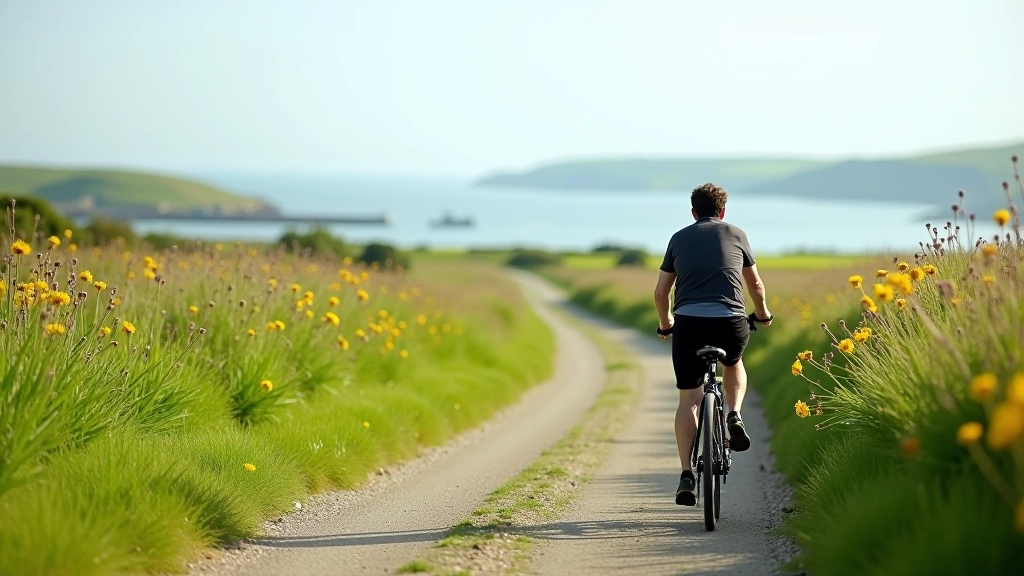
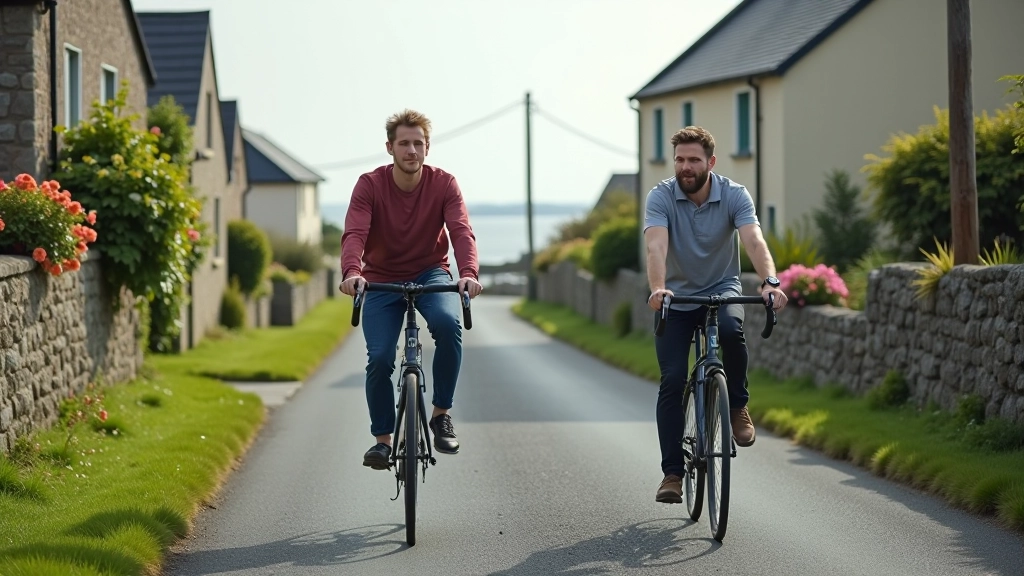
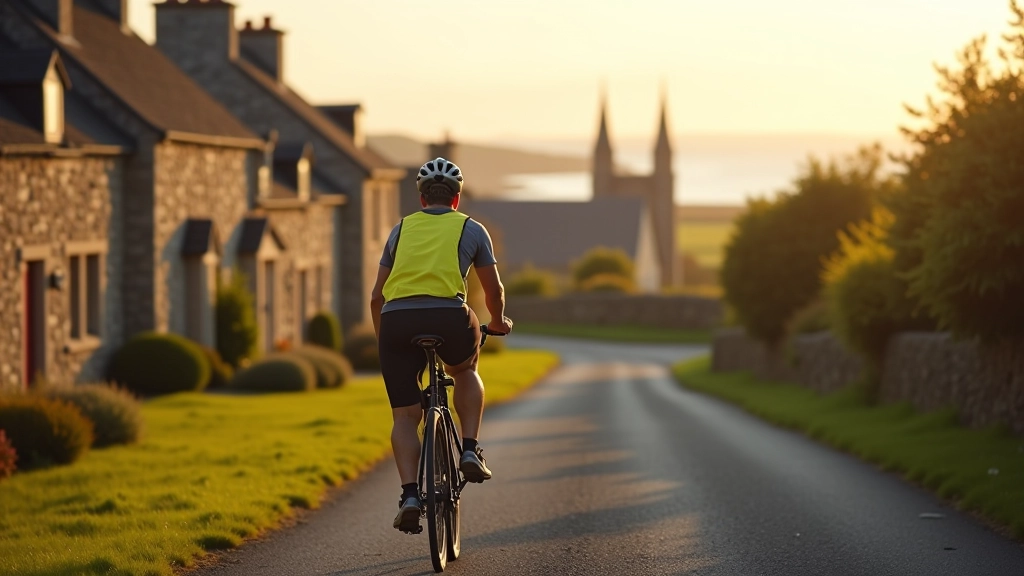
If you want to understand how Irish coastal communities actually work, this 12-kilometer loop around Dunmore East delivers. It's not a sanitized tourist route. You'll see working fishing boats, fish processing facilities, and locals going about their day.
The route starts in the village center and heads out along the coast, giving you sea views without the crowds you'd find on major greenways. There're a couple of gentle climbs, but nothing sustained. Most sections are flat enough that you're not breathing hard — you're just riding and looking around.
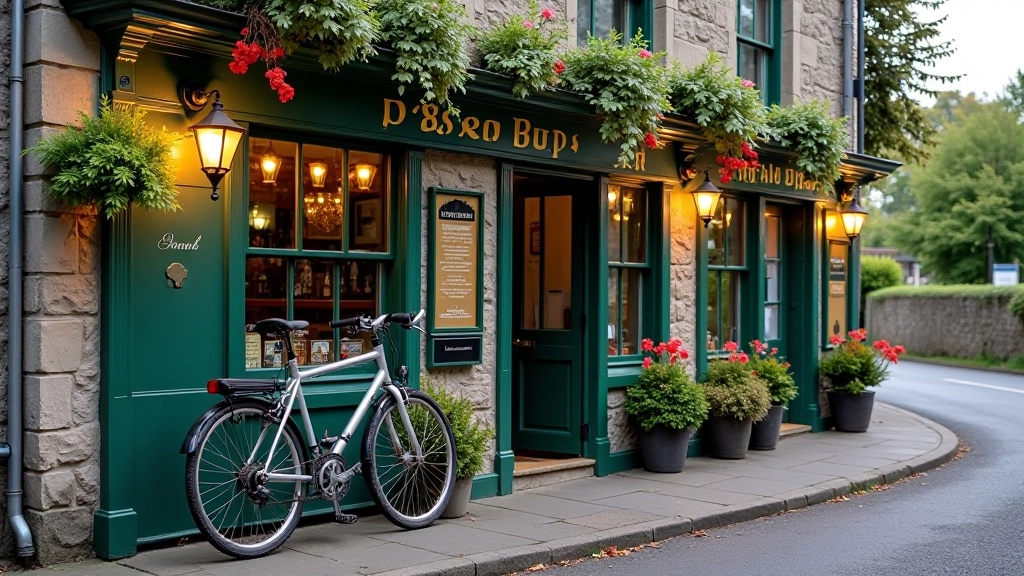
The pubs here aren't trying to be Instagram-worthy. They're just good places where you'll genuinely meet people. There's a fish and chip shop that locals recommend, and a few cafés. Total time: About 90 minutes at a comfortable pace with a stop.
Eyeries to Ardgroom: West Cork's Quietest Corner
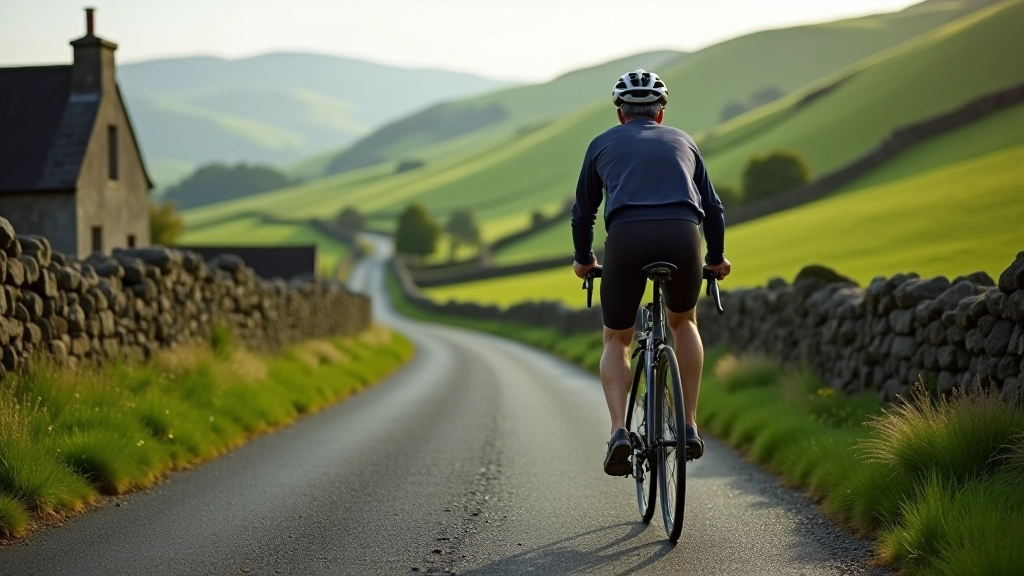
West Cork has this reputation for being "Ireland's undiscovered gem," and there's actually truth to it. The Eyeries to Ardgroom route — 15 kilometers — proves it. You're cycling through valleys where the population density is about zero, but the landscape is stunning.
Both villages are tiny. Eyeries has a church, a pub, and a handful of houses. Ardgroom's similar. What they share is a kind of authenticity that's disappeared from busier areas. You'll meet farmers, maybe a few tourists, but mostly you're alone with the road and the hills.
This route isn't flat. There's one proper climb (about 3km of steady elevation) and several smaller ones. The payoff is views that stretch across multiple valleys. Bring supplies — there's nowhere to buy food between the villages. Best visited spring or autumn when weather's predictable and crowds are minimal.
Making Village Cycling Work
Navigation Reality
Google Maps works, but you'll find better local knowledge asking at village pubs. Don't rely on phone GPS exclusively — carry a physical map or download offline maps. Village routes change seasonally (gates, farm work), so what's passable in summer might be blocked in winter.
Timing Matters
Weekday mornings offer the quietest rides. Weekends bring visitors and more traffic. Summer's busier, but spring and autumn have better weather consistency. Avoid midday if you want shade — these routes have limited tree cover. Early morning or late afternoon rides are ideal.
Bike Considerations
Road bikes work fine on most village routes, but a gravel or hybrid bike gives you more options. You'll encounter some unpaved sections, and wider tires handle these better. Flat terrain routes are comfortable on road bikes. Hilly sections benefit from lower gearing.
Local Respect
These're working communities, not cycle parks. Stay on marked routes. Don't cut through private property. Respect gates and barriers. Wave at people you pass. These gestures matter in small villages where cycling culture is still developing.
Why Village Routes Feel Different
The main greenways are brilliant. They're well-maintained, safe, and engineered for cycling. But they've also become destinations. You go to ride them, check them off, maybe grab photos. Village routes work differently.
You're not following a predetermined path designed for tourists. You're cycling through places where people actually live and work. You'll see real farming operations, actual commercial fishing, traditional crafts. That's not staged for visitors — it's just what happens in these villages.
The experience is slower. You stop more often. You talk to people. You eat at places that aren't in guidebooks. And that's the whole point. These routes aren't about covering distance or achieving fitness goals. They're about understanding Ireland by moving through it at human speed, with time to notice details.
Starting Your Village Cycling Journey
You don't need special preparation for village routes. Just pick one that matches your fitness level, check basic bike maintenance, and go. Bring water, a simple tool kit, and a phone with offline maps. That's genuinely enough.
The beauty of village cycling is that it's forgiving. There's no pressure to complete a specific distance. If you're tired, stop at a pub. If the weather turns, find shelter in a village shop. These routes work with you, not against you.
Start with one of the easier routes — Dunmore East is perfect for testing the format. Once you understand how village cycling works, you can explore more remote areas with confidence. And you'll discover that some of Ireland's best cycling happens on roads you've never heard of, in villages that don't make guidebook covers.
Disclaimer
This article provides educational information about cycling routes in Ireland. Route conditions change seasonally and may be affected by weather, maintenance, or local circumstances. Always check current conditions before cycling. We recommend consulting local tourism boards and community resources for the most up-to-date information about village routes, road conditions, and local regulations. Your safety is your responsibility — wear appropriate safety gear, follow traffic laws, and ride within your abilities.