What Makes the Royal Canal Special
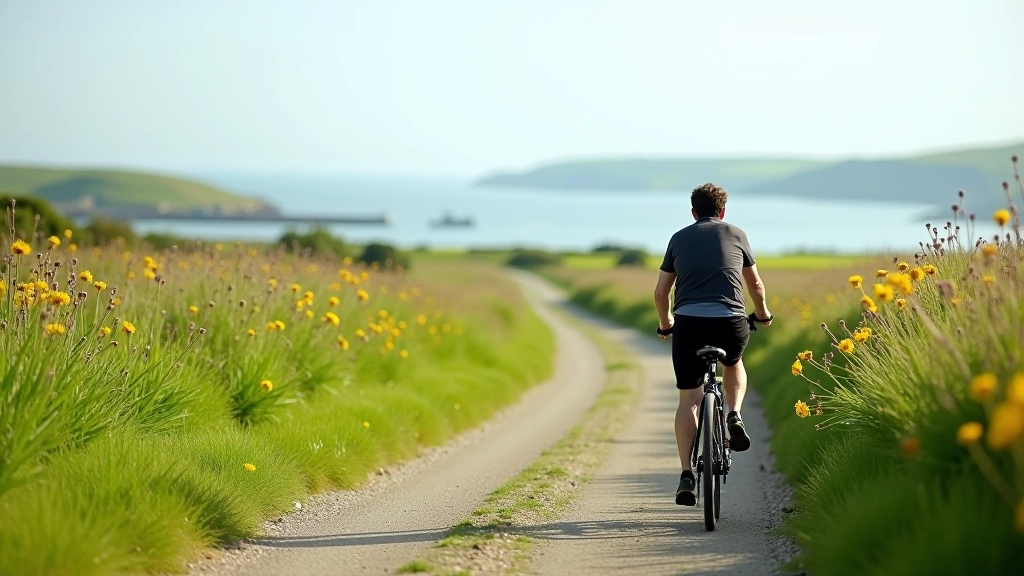
The Royal Canal isn't your typical cycle path. It's Dublin's best-kept secret — a 15-kilometer ribbon of green cutting straight through the city without fighting traffic lights or dodging pedestrians. Built in the 1790s as a working waterway, it's now transformed into something completely different: a peaceful corridor where cyclists, walkers, and the occasional heron share the space.
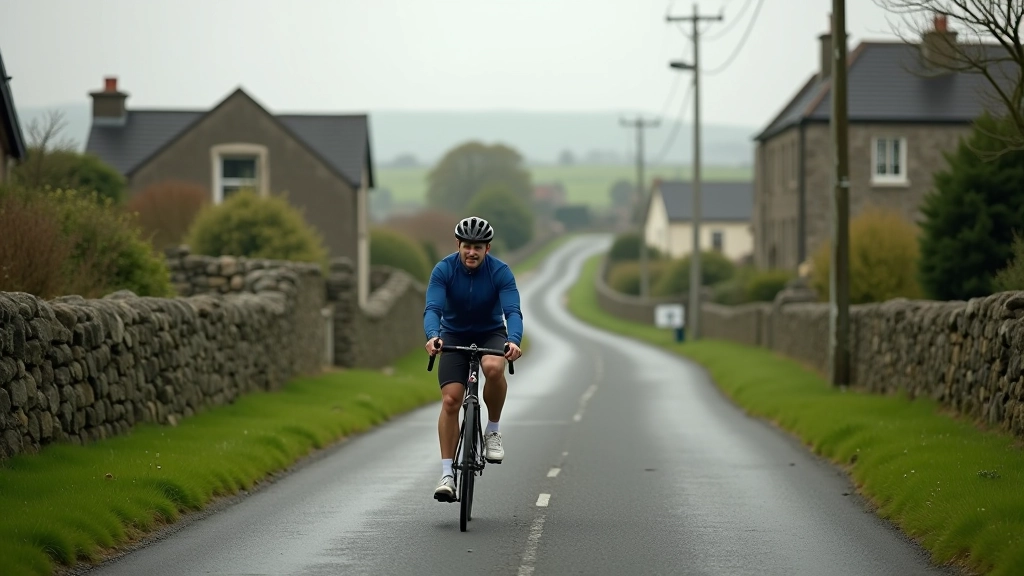
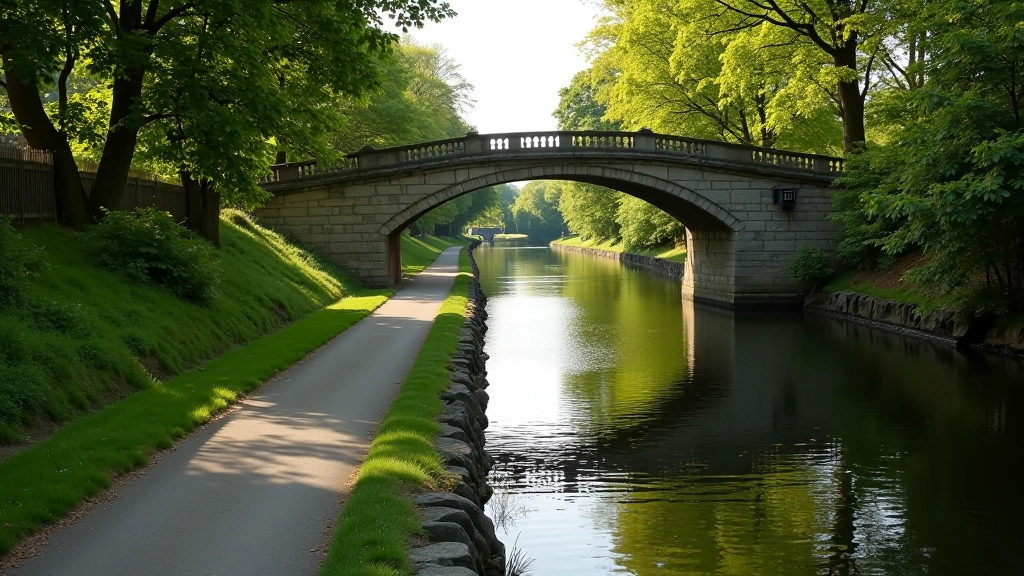
What really sets it apart? You're cycling through genuine Dublin neighborhoods, not along some sterile dedicated lane. You'll pass under historic stone bridges, alongside Georgian terraces, and through pocket parks where locals actually hang out. The path is smooth, well-maintained, and genuinely traffic-free for most of the route.
The whole thing takes about 45 minutes to an hour at a relaxed pace. That's manageable for beginners, exciting enough for experienced riders, and practical if you're actually commuting somewhere. No steep climbs, no confusing junctions — just steady, predictable cycling through an urban landscape that's genuinely interesting to look at.
Route Breakdown: The Essentials

The official route runs from Spencer Dock in Dublin city center out to Maynooth, about 32 kilometers total. But here's the thing — you don't need to do the whole thing. Most people cycle the city section, which is roughly 8 kilometers from the city center out to Ashtown. It's intimate cycling. You're never more than a few hundred meters from actual neighborhoods.
The surface is tarmac almost everywhere, well-lit in the city sections, and bordered by proper kerbs so you're separated from foot traffic. Gradients? Minimal. There's a slight incline heading west, but nothing that'll make you work hard. We're talking 1-2% at most.
Water's on one side the whole way. Sometimes you're right at the edge, sometimes there's a meter or two of grass. In spring it's genuinely beautiful — willows, wild flowers, birds actually nesting. Winter? Still pleasant. Just bring lights because Dublin doesn't get much daylight after 4 PM from November through January.
Real Tips That Actually Matter
Start at Spencer Dock
Easier access, better parking options, and you're building momentum heading west. The city section feels more polished than the starting point from the northern end.
Watch for pedestrians
Especially weekends. Families with strollers, joggers, dog walkers — they've got as much right to be there as you do. Keep speed sensible around families.
Pack lights for winter
November through February, you're cycling in near-darkness even at 5 PM. Decent front and rear lights aren't optional — they're essential. Get ones that are actually bright, not those token things.
Use the bridges to plan breaks
There's a café or pub within 200 meters of every major bridge crossing. Take a break, grab water, enjoy the views. The cycle's supposed to be fun, not a race.
Seasonal Variations and What to Expect
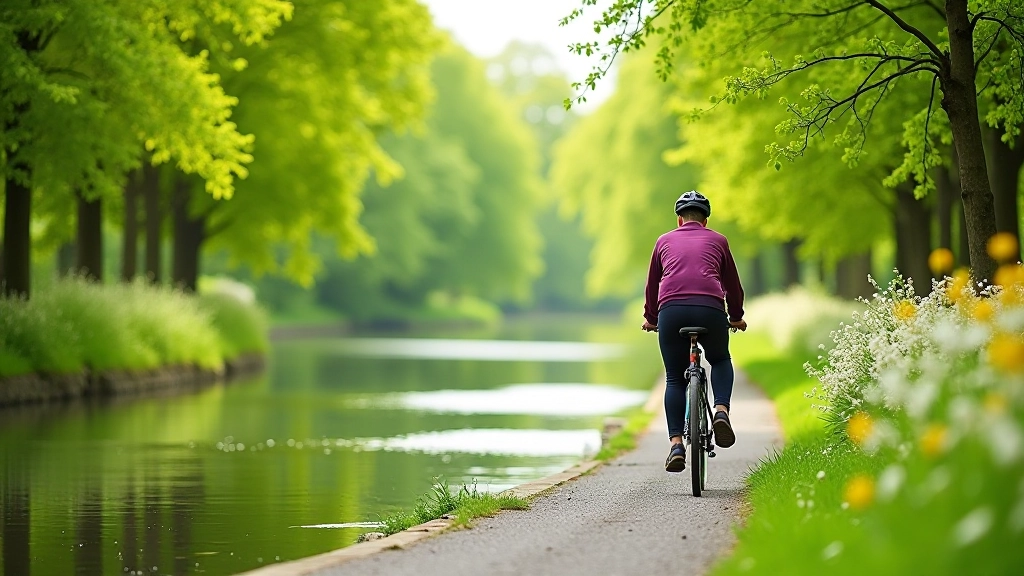
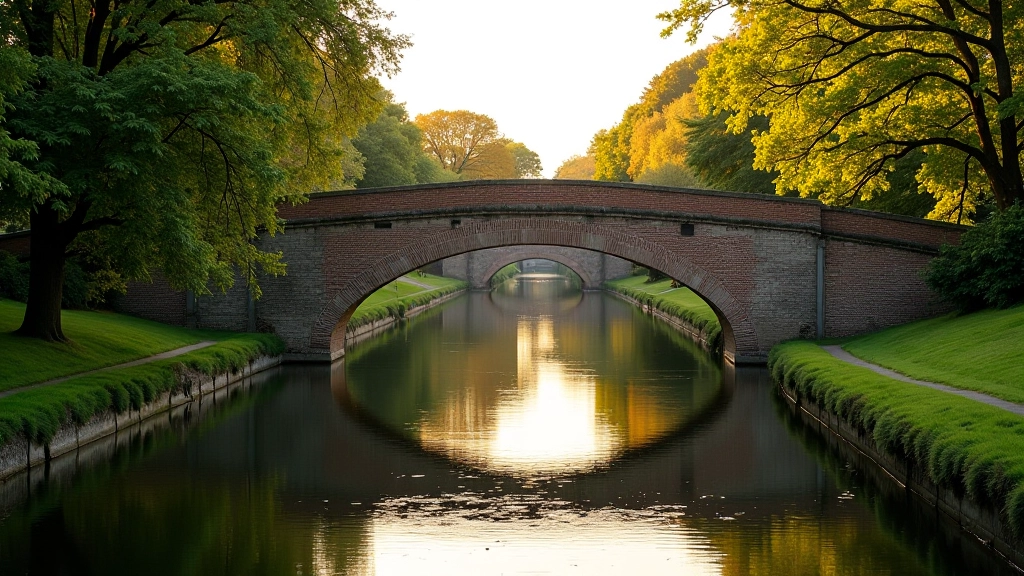
Spring and early summer are genuinely magical. April through June, the canal comes alive. Willows are full, wildflowers line the banks, and you'll see ducks, moorhens, maybe a heron if you're lucky. Temperatures are ideal — cool enough that you're not sweating, warm enough that you don't need layers. Humidity can be an issue after rain, but that clears quickly.
Summer's busier. July and August mean more families, more tourists, more people generally. It's still rideable, but you're sharing space. Bring water because Dublin gets surprisingly warm — not Mediterranean heat, but 20-25 degrees Celsius means you'll be warm after 30 minutes of cycling.
Autumn is underrated. September through October is brilliant for cycling. Fewer people, comfortable temperatures, and the light is genuinely beautiful. Leaves change, everything's golden, and you're not battling wind. This is honestly the best time to do the full route.
Winter's doable but demands respect. The path doesn't freeze often, but it gets wet and muddy in places. Ice is rare but possible. Bring fenders, lights that actually work, and don't attempt it if you're not confident in slippery conditions. December through February is short daylight hours — plan accordingly.
Why You Should Actually Try It
The Royal Canal is one of those rare urban cycling routes that actually works. It's not a novelty, not something you do once for Instagram. It's a genuine way to move through Dublin that's faster than walking, slower than driving, and infinitely more interesting than either.
Whether you're a beginner nervous about city cycling, someone commuting a couple of times a week, or just exploring Dublin differently, this path delivers. The infrastructure's solid, the scenery keeps changing, and you're genuinely separated from traffic the whole way. That's not something every city offers.
Start with the city section if you're uncertain. Do the 8 kilometers, see how you feel, grab coffee at one of the bridges. Then you can decide if you want to push further out toward Maynooth. Most people find they come back again. And again.
Disclaimer: This article provides informational guidance about the Royal Canal cycling route based on current conditions and common practices. Route conditions, infrastructure, and accessibility can change. Always wear appropriate safety gear including helmet and lights. Check local cycling safety guidelines and traffic regulations. Weather conditions and seasonal variations affect route conditions — plan accordingly. This information is educational and doesn't replace personal research or local advice from Dublin cycling communities.